
Postcard-Perfect Pier Benches: Master the Shot
Today we dive into Photography Techniques for Capturing Pier Benches for Postcard Prints, turning quiet waterfront seats into images that invite daydreams and travel plans. We will explore light, composition, lenses, and print-ready editing, while sharing field-tested tips from windswept mornings and salt-sprayed evenings. Expect practical steps, gentle storytelling, and small professional habits that make big differences at the printer. Share your favorite pier bench memories with us, ask questions, and subscribe for more coastal creativity delivered straight to your inbox.

Compositions That Invite a Sit-Down
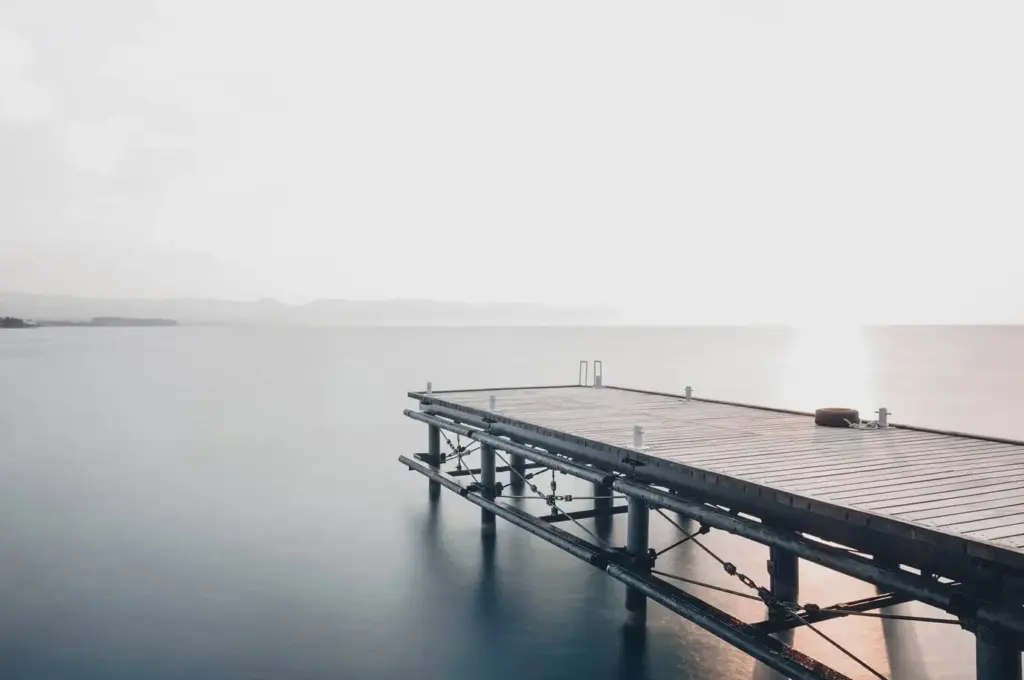
Viewers buy postcards that feel like a place to pause. Compose so the bench gently beckons, guiding the eye along planks, railings, and horizon lines toward a tranquil seat. Use foreground ripples, repeating posts, and converging boards to add depth without clutter. Align the horizon with care, deciding whether serenity needs symmetry or the dynamic pull of an offset frame. Every choice—angle, height, and breathing room—shapes the invitation, turning a simple bench into a promise of quiet moments and salt-air reflections.
Lens Choices and Settings for Crisp Postcards
The right lens changes how a bench feels—intimate, grand, or whispered from afar. Consider weather, pier vibrations, and salt spray when choosing between a light prime and a flexible zoom. Mind aperture for edge-to-edge clarity, shutter for wind and waves, and ISO for noise control on smooth gradients like twilight skies. Build a reliable baseline setup, then deviate deliberately when conditions invite experimentation. Crisp, printable detail paired with disciplined exposure choices ensures your final postcard looks as good in hand as on screen.
Color Stories, Textures, and Weathered Wood
Benches by saltwater carry layered paint, softened edges, and a tapestry of stains. Celebrate those textures with side light, intentional color palettes, and polish that does not polish away character. Respect patina while guiding attention using complementary hues from sea and sky. Weather shifts colors minute by minute, so treat white balance as brushwork, not a checkbox. When fog or drizzle flattens contrast, amplify micro-detail thoughtfully. Your postcard becomes a tactile memory, asking fingers to trace the lines time left shimmering on the wood.
Work with palettes that feel coastal and honest. Teal water complements amber wood; a crimson bench sings against blue dusk. Use a circular polarizer sparingly to control glare without sterilizing reflections. Adjust white balance deliberately—cooler for hush, warmer for nostalgia—and watch for mixed light from pier lamps. Small color accents, like a rope’s green or a buoy’s orange, can guide the eye gently. When editing, protect subtle gradients near the horizon so print transitions remain smooth, retaining that luminous seaside breath on paper.
Side light sculpts grain, but too much clarity can carve prints harshly. Build detail with layered adjustments: gentle micro-contrast, restrained sharpening, and careful radius to avoid halos around edges. Consider local dodging to lift knots and fill tiny crevices without turning the entire plank brittle. In-camera profiles that favor neutral contrast can preserve headroom for precise edits later. View at print size before committing, ensuring fibers look natural. The goal is palpable texture that invites touch, not glittering grit that tires the eye.
Coastal weather writes its own poetry. Embrace mist for softness and mystery; welcome drizzle for reflective highlights. Protect gear with a lightweight cover, keep silica gel in your bag, and carry extra cloths for persistent spray. Weather sealing helps, but discipline matters more: wipe often, shade the front element, and check for droplets before every frame. Humidity invites color shifts, so watch white balance. These moody frames make heartfelt postcards, reminding viewers how quiet a world can feel when fog shrinks distance to a whisper.
Human Presence, Scale, and Story
Including People Without Losing Serenity
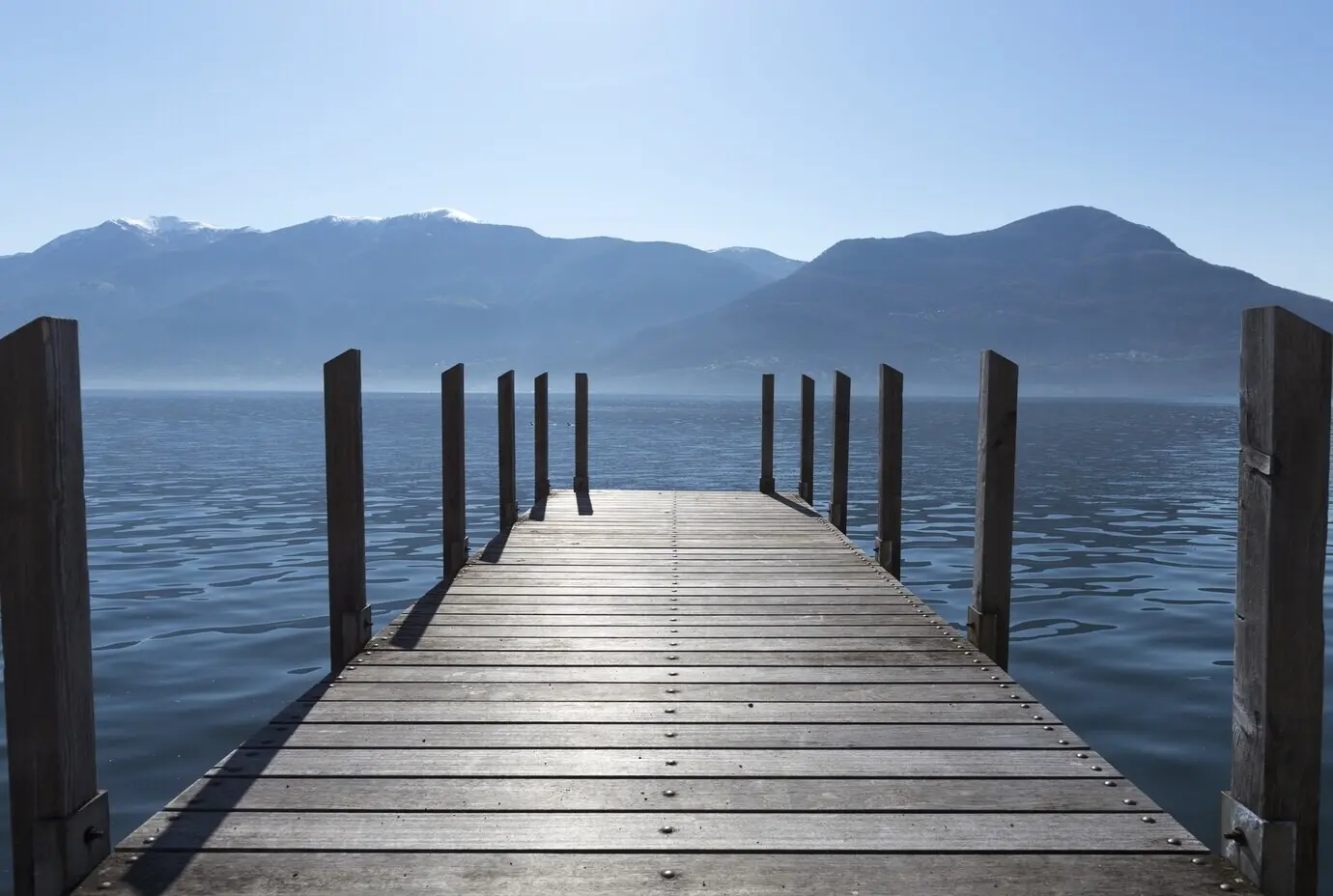
Place people as gentle accents—backlit silhouettes, distant walkers, or a single reader framed by railings. Keep wardrobe subdued to avoid stealing the scene, unless a deliberate pop of color benefits balance. Ask companions to pause naturally, not pose stiffly. Use slower shutter speeds to blur passersby slightly while the bench remains crisp, suggesting time flowing around stillness. Leave space for breathing and reflection. The result honors solitude yet acknowledges life, delivering postcards that feel welcoming rather than staged or crowded.
Ethics, Permissions, and Respectful Distance
Public spaces have rules, and postcards may be sold. Know local regulations, respect signage, and avoid photographing identifiable children without clear consent. When in doubt, step back to silhouettes or back views that protect privacy. Be courteous to anglers and workers; they share this space daily. If a vendor or municipality manages the pier, inquire about permits before commercial use. Ethical choices deepen trust with your audience, making the story feel kind. Readers can tell when care was present, and they reward it with loyalty.
Props: Coffee Cups, Scarves, and Quiet Details
Small objects suggest presence without needing faces. A ceramic mug on a bench corner, a folded map, or a knit scarf introduces warmth and narrative. Match prop colors with your palette so nothing shouts. Keep arrangements believable—wind scuffs pages, damp boards mark fabric. Choose matte textures over glossy to avoid distracting glare. Remove props swiftly to leave no trace. When printed, these clues become conversation starters, encouraging viewers to imagine their own morning on the pier, hands wrapped around comfort, eyes on the horizon.
From Camera to Card: Editing and Print Prep
A beautiful capture deserves thoughtful finishing. Calibrate your monitor, soft-proof with lab profiles, and protect gradients that will define sky and water in print. Prioritize midtone contrast over extreme punch, and retouch gently so wood remains honest. Sharpen for output, not ego, considering paper texture and postcard size. Prepare safe margins and bleed, leaving room for back-side formatting if needed. The final handoff should feel inevitable: a file that prints cleanly, stacks proudly, and carries your shoreline story into mailboxes everywhere.
All Rights Reserved.